
The Science Behind Food Poisoning
A meal can look and taste normal and still make you sick. What happens between the fridge and the stomach.
Yena Seo
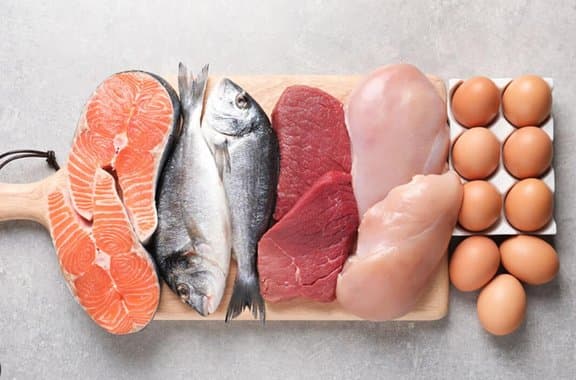
A meal can look, and taste completely normal and still contain harmful microorganisms. Foodborne illness is often associated with restaurants or questionable leftovers, but the biology behind it can be much more complicated than simply eating "bad food."
Bacteria such as Salmonella, E. coli, and Campylobacter can contaminate food at different points during production, preparation, or storage. Unlike food that has visibly spoiled, contaminated food may show no obvious warning signs.
Once harmful microorganisms enter the digestive system, they can multiply or produce toxins that interfere with normal bodily functions. The immune system responds to these threats, which can lead to symptoms such as vomiting, diarrhea, abdominal pain, and fever.
Temperature is particularly important. Many bacteria reproduce rapidly in warm environments, which is why improperly stored food can become a greater risk over time. Refrigeration slows bacterial growth, while thorough cooking can destroy many harmful microorganisms.
Simple practices such as washing hands, separating raw and cooked foods, cooking food thoroughly, and storing leftovers properly can interrupt the chain of contamination.
The next time you eat a meal, the science behind food safety may be invisible but it is working in the background to keep that meal from becoming a health risk.
Filed under
Letters
Say something about this story. No account needed. Leave a name or stay anonymous, and you can delete anything you post from this browser.
Related Stories
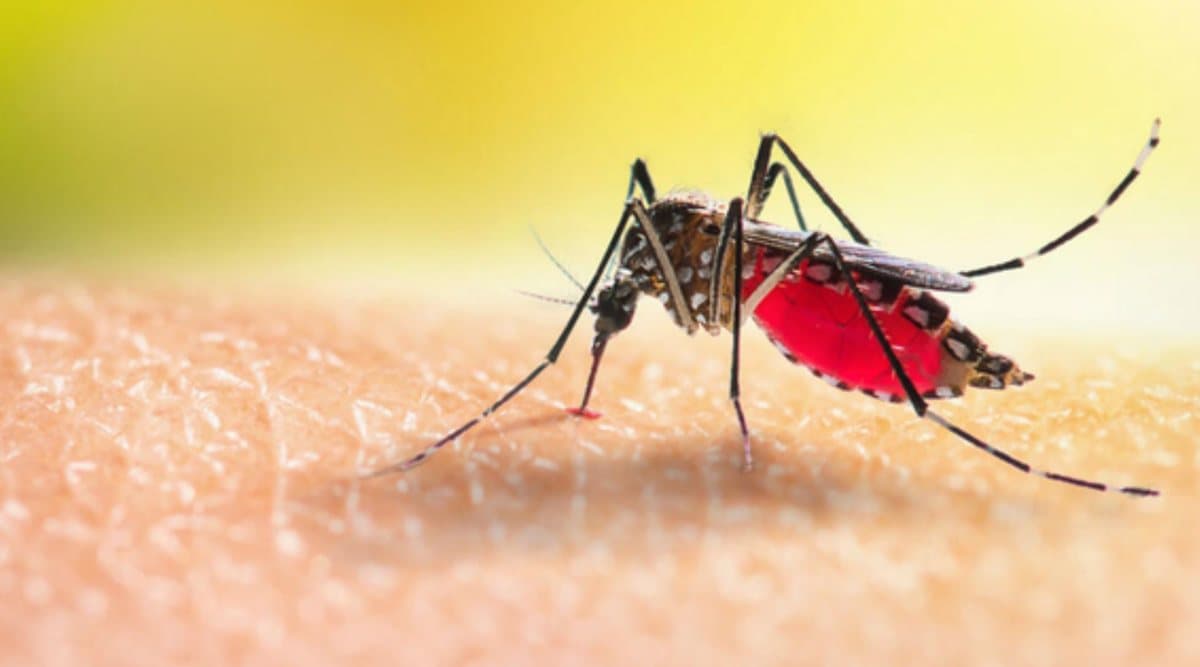
More Than Just a Summer Nuisance
Why only females bite, why the bite itches, and why mosquito prevention is a small part of protecting community health.
Yena Seo/Sep 2026
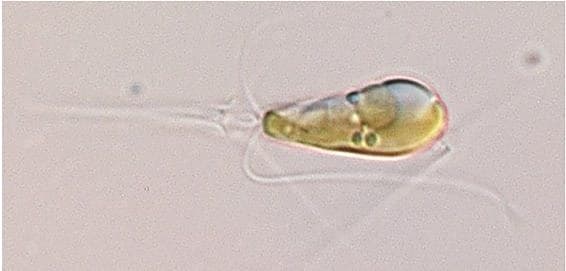
Nitroplasts: A New Discovery That Could Change Farming
A new organelle, found in ocean algae at UC Santa Cruz. New organelles almost never appear.
Hyunji Song/Dec 2025

BioBites: Ocean Life and Environmental Change
Microplastics, acidification and bleaching, and the small things students can actually do.
Hyunji Song/Nov 2025
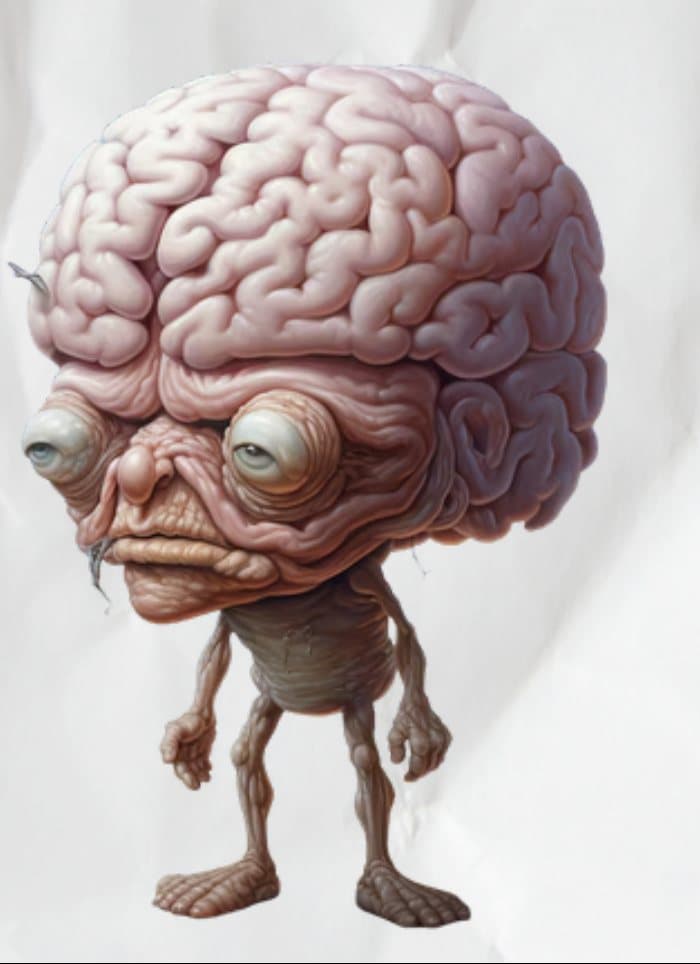
Neuroscience: Understanding the Human Brain
Billions of neurons, electrical and chemical signals, and what studying them may teach us about being human.
Yebynn Son/Sep 2026
How Exercise Helps Build Stronger Bones
Bone is living tissue. Three sessions a week at a decent intensity, and it remodels itself around the load.
Hyunji Song/Jun 2026
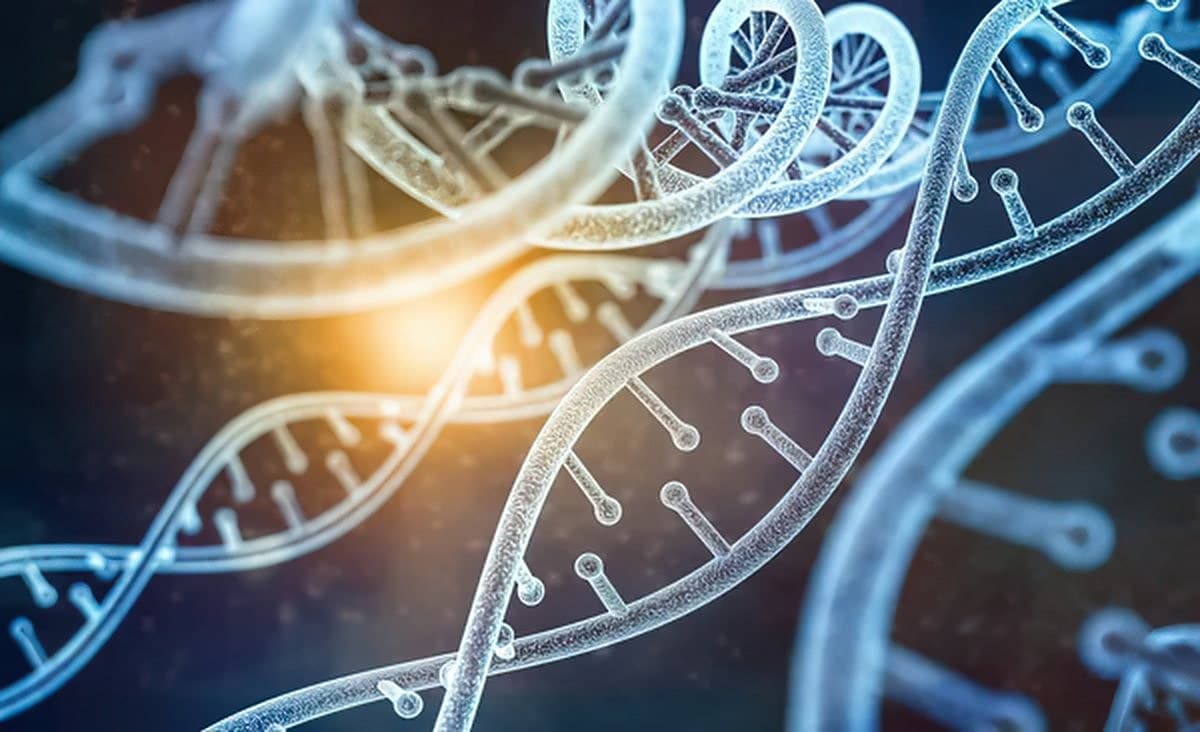
How to: Fix Yourself
CRISPR is a molecular scissor. It won a Nobel in 2020, treated sickle cell in 2023, and edited embryos in 2018.
Hayeon Son/May 2026
More from Public Health & Science
Neuroscience: Understanding the Human Brain
Billions of neurons, electrical and chemical signals, and what studying them may teach us about being human.
Yebynn Son/Sep 2026
More Than Just a Summer Nuisance
Why only females bite, why the bite itches, and why mosquito prevention is a small part of protecting community health.
Yena Seo/Sep 2026
How Exercise Helps Build Stronger Bones
Bone is living tissue. Three sessions a week at a decent intensity, and it remodels itself around the load.
Hyunji Song/Jun 2026
How to: Fix Yourself
CRISPR is a molecular scissor. It won a Nobel in 2020, treated sickle cell in 2023, and edited embryos in 2018.
Hayeon Son/May 2026
How Dreams Affect How Deep We Feel We Sleep
Brain-wave activity does not match the feeling of deep sleep. The dream does.
Hyunji Song/Mar 2026
Does 순공시간 (Study Time) Actually Matter?
Students stop the clock for bathroom breaks and cry over eight hours. The correlation is weaker than expected.
Hayeon Son/Mar 2026