
Neuroscience: Understanding the Human Brain
Billions of neurons, electrical and chemical signals, and what studying them may teach us about being human.
Yebynn Son
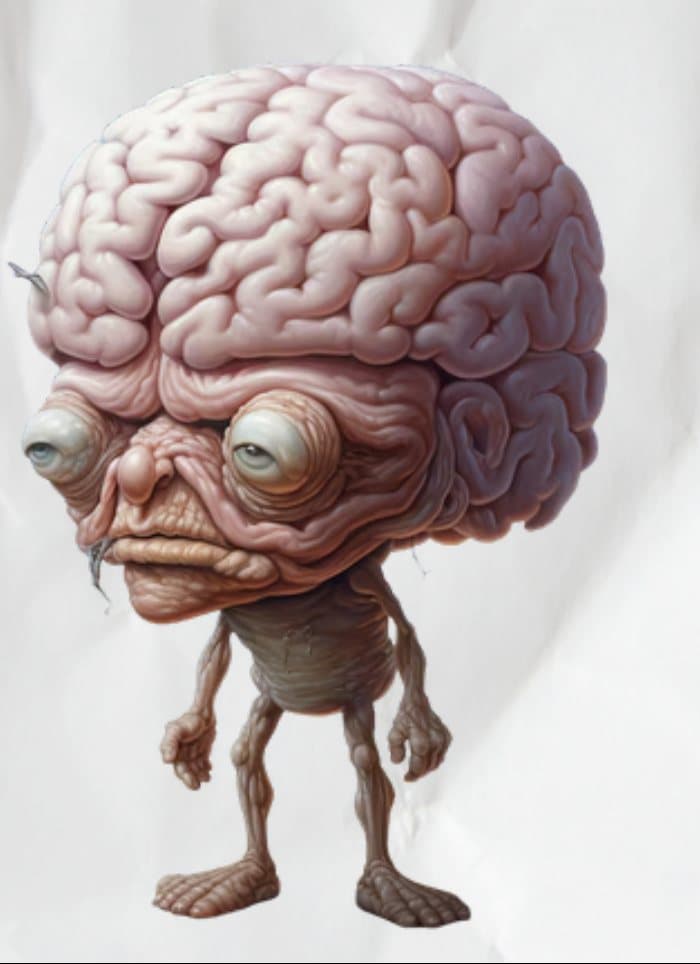
Neuroscience is the scientific study of the brain, nervous system, and how they influence human behavior and thoughts. The brain contains billions of neurons that communicate with each other through electrical and chemical signals. These complex connections allow us to think, learn, remember, feel emotions, and control our bodies.
One important area of neuroscience is the relationship between the brain and behavior. For example, researchers study how different parts of the brain are involved in memory, decision-making, emotions, and sleep. Neuroscience can also help us understand neurological and psychological disorders such as Alzheimer's disease, epilepsy, depression, and anxiety.
As technology continues to develop, scientists can study the brain in greater detail through tools such as brain imaging and neural recording. By understanding how the brain works, neuroscience may help researchers develop better treatments for brain disorders and improve our understanding of what makes us human.
Filed under
Letters
Say something about this story. No account needed. Leave a name or stay anonymous, and you can delete anything you post from this browser.
Related Stories
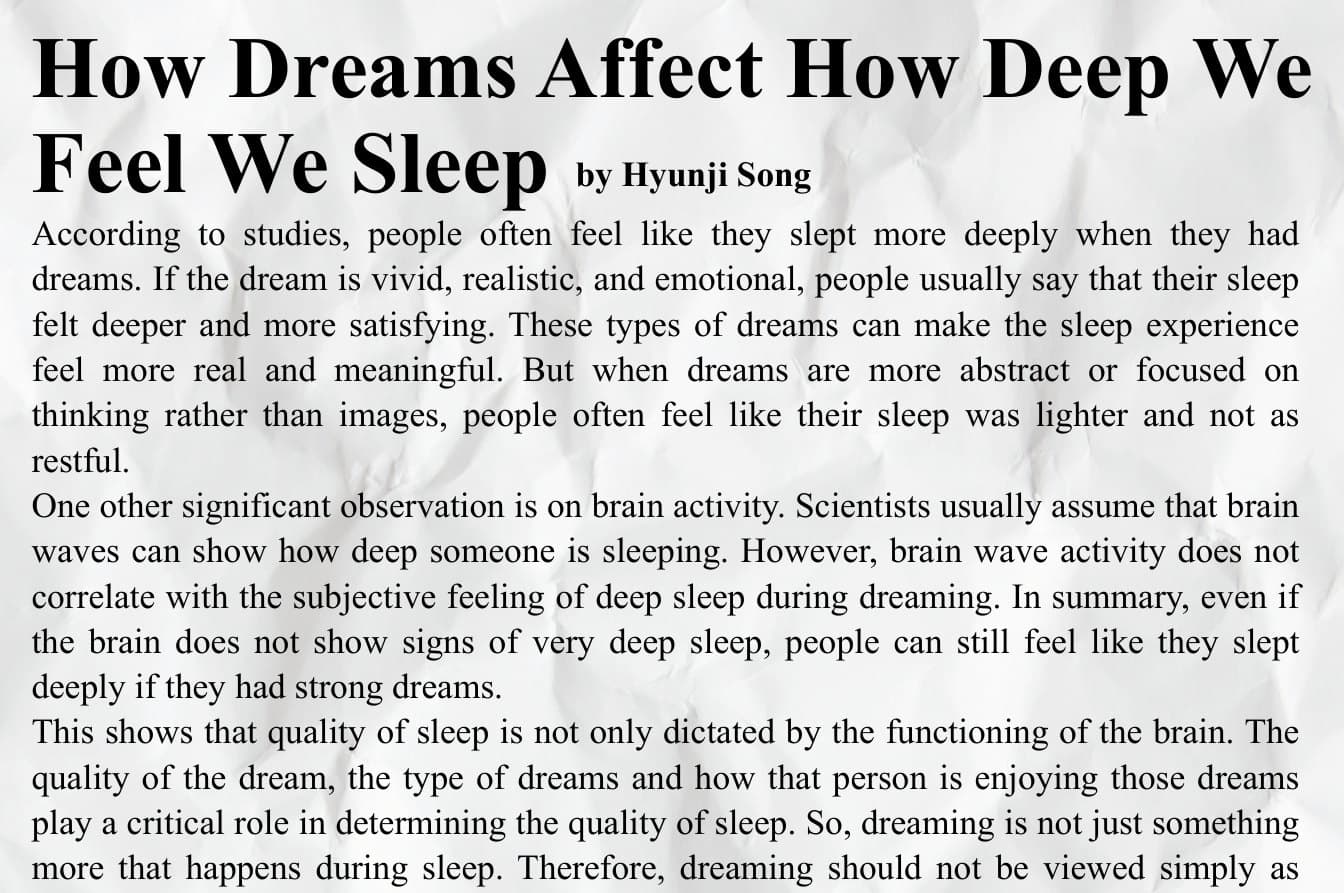
How Dreams Affect How Deep We Feel We Sleep
Brain-wave activity does not match the feeling of deep sleep. The dream does.
Hyunji Song/Mar 2026
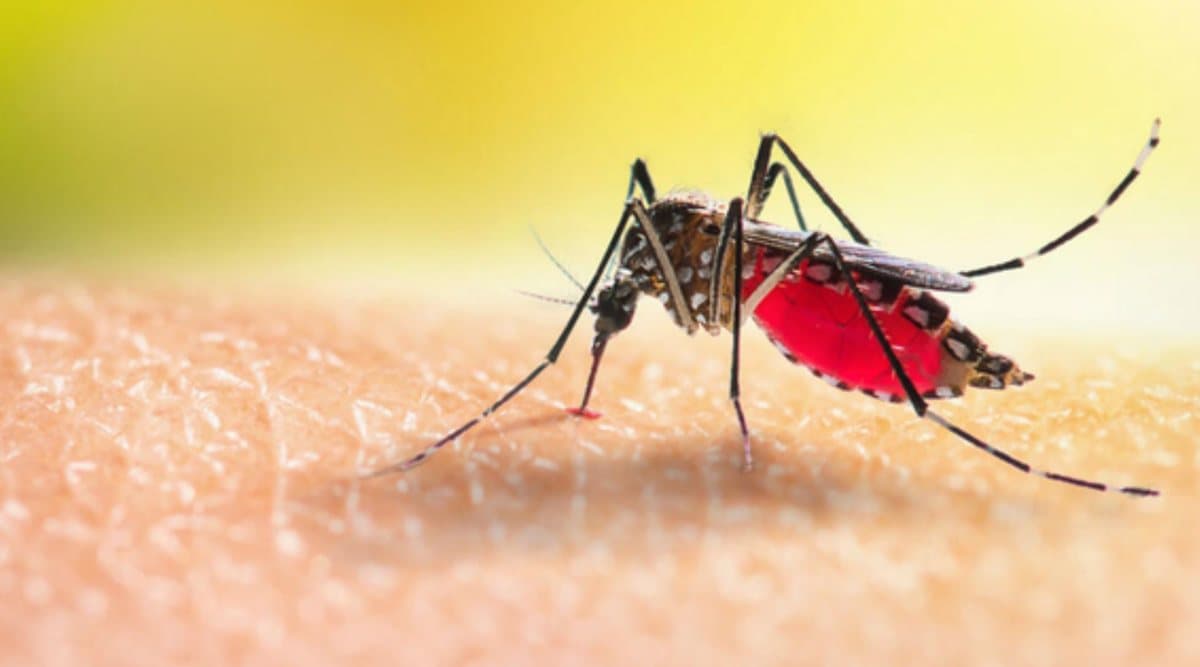
More Than Just a Summer Nuisance
Why only females bite, why the bite itches, and why mosquito prevention is a small part of protecting community health.
Yena Seo/Sep 2026
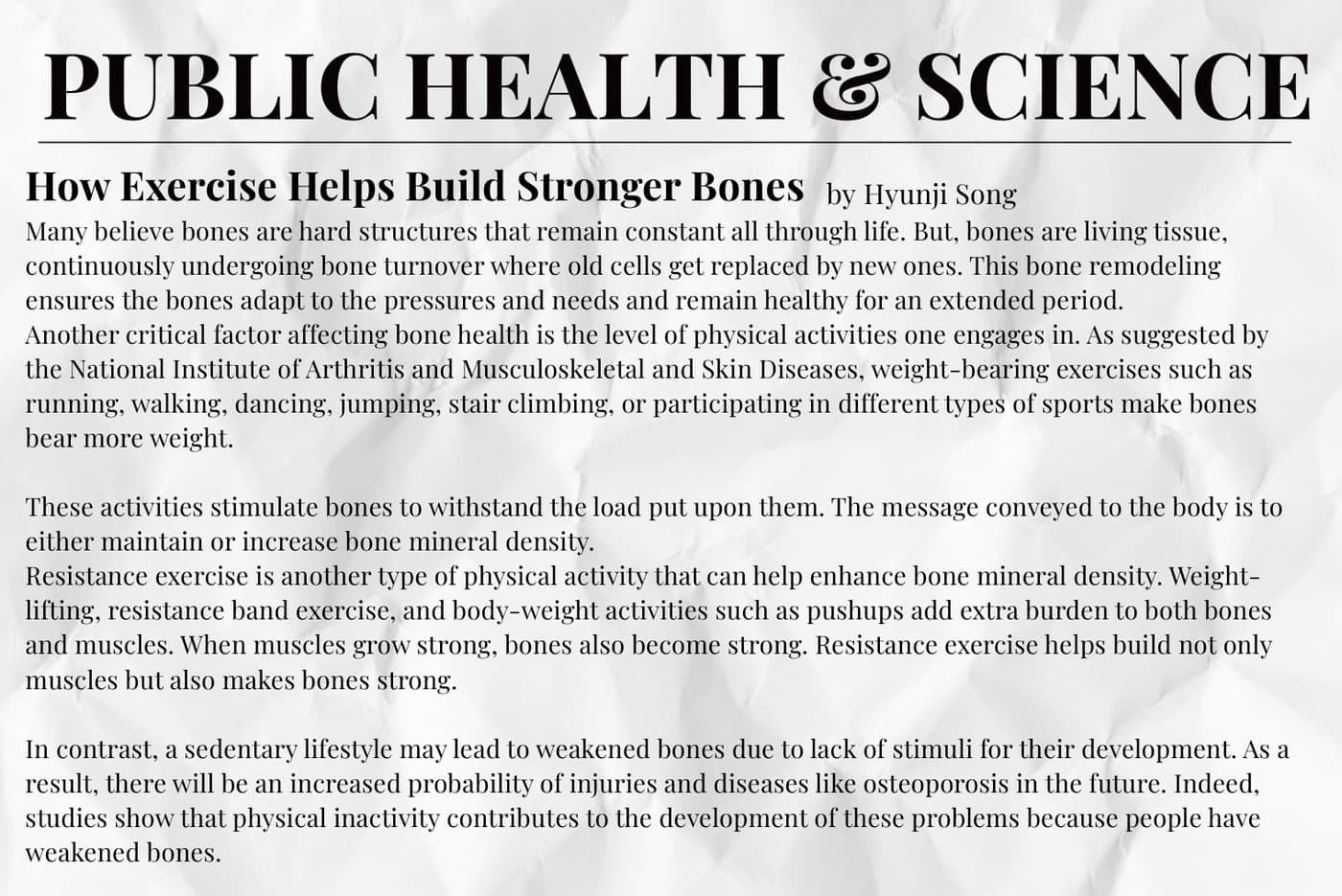
How Exercise Helps Build Stronger Bones
Bone is living tissue. Three sessions a week at a decent intensity, and it remodels itself around the load.
Hyunji Song/Jun 2026
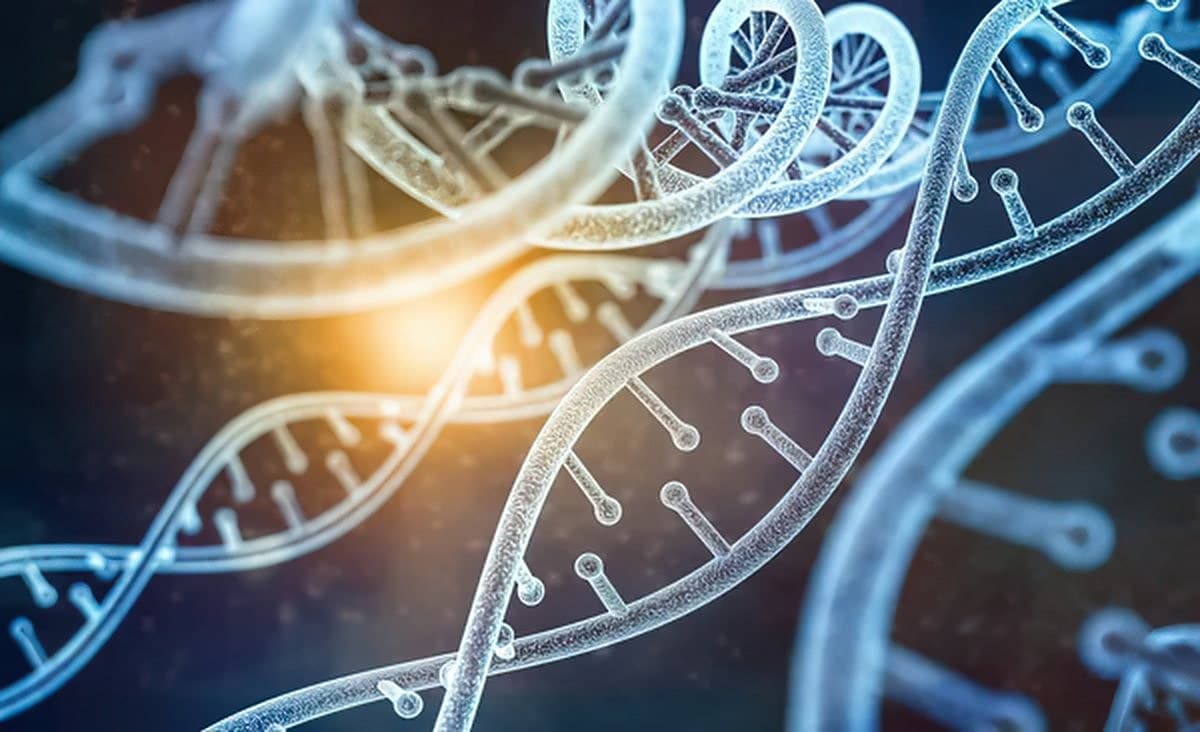
How to: Fix Yourself
CRISPR is a molecular scissor. It won a Nobel in 2020, treated sickle cell in 2023, and edited embryos in 2018.
Hayeon Son/May 2026
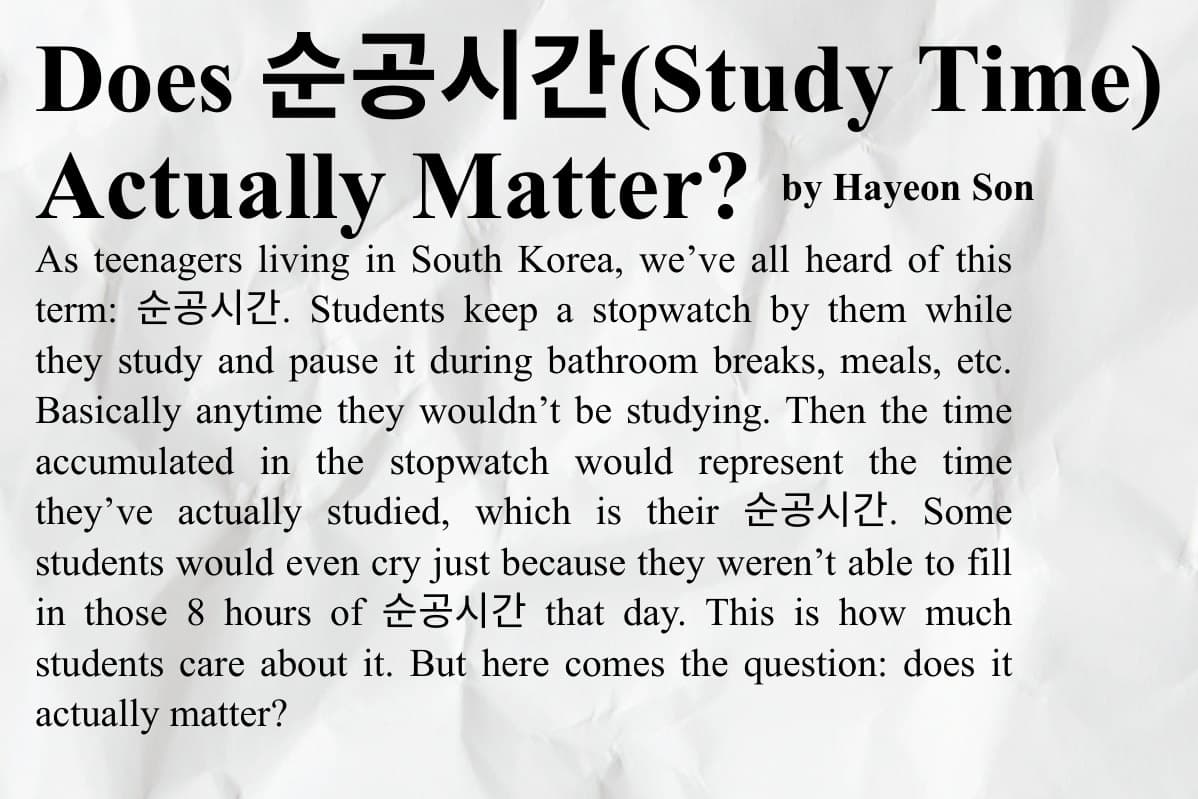
Does 순공시간 (Study Time) Actually Matter?
Students stop the clock for bathroom breaks and cry over eight hours. The correlation is weaker than expected.
Hayeon Son/Mar 2026
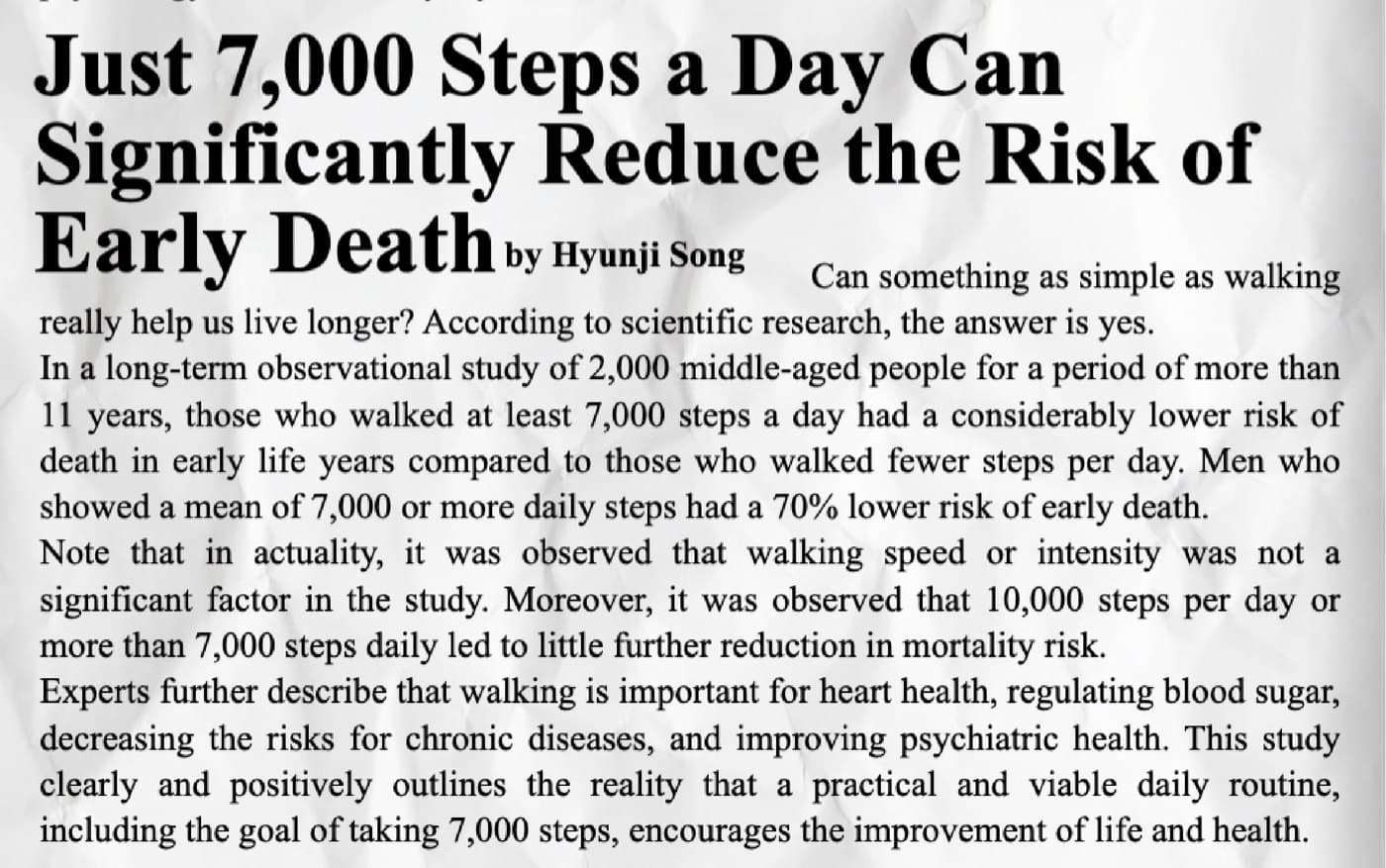
Just 7,000 Steps a Day Can Significantly Reduce the Risk of Early Death
Two thousand middle-aged people, eleven years, and a 70% lower risk. Speed turned out not to matter.
Hyunji Song/Feb 2026
More from Public Health & Science
More Than Just a Summer Nuisance
Why only females bite, why the bite itches, and why mosquito prevention is a small part of protecting community health.
Yena Seo/Sep 2026
How Exercise Helps Build Stronger Bones
Bone is living tissue. Three sessions a week at a decent intensity, and it remodels itself around the load.
Hyunji Song/Jun 2026
How to: Fix Yourself
CRISPR is a molecular scissor. It won a Nobel in 2020, treated sickle cell in 2023, and edited embryos in 2018.
Hayeon Son/May 2026
How Dreams Affect How Deep We Feel We Sleep
Brain-wave activity does not match the feeling of deep sleep. The dream does.
Hyunji Song/Mar 2026
Does 순공시간 (Study Time) Actually Matter?
Students stop the clock for bathroom breaks and cry over eight hours. The correlation is weaker than expected.
Hayeon Son/Mar 2026
Just 7,000 Steps a Day Can Significantly Reduce the Risk of Early Death
Two thousand middle-aged people, eleven years, and a 70% lower risk. Speed turned out not to matter.
Hyunji Song/Feb 2026