
Why Do Some People Like Horror Movies?
Adrenaline without the danger, the relief of making it through, and why screaming is better with friends.
Hanna Seo
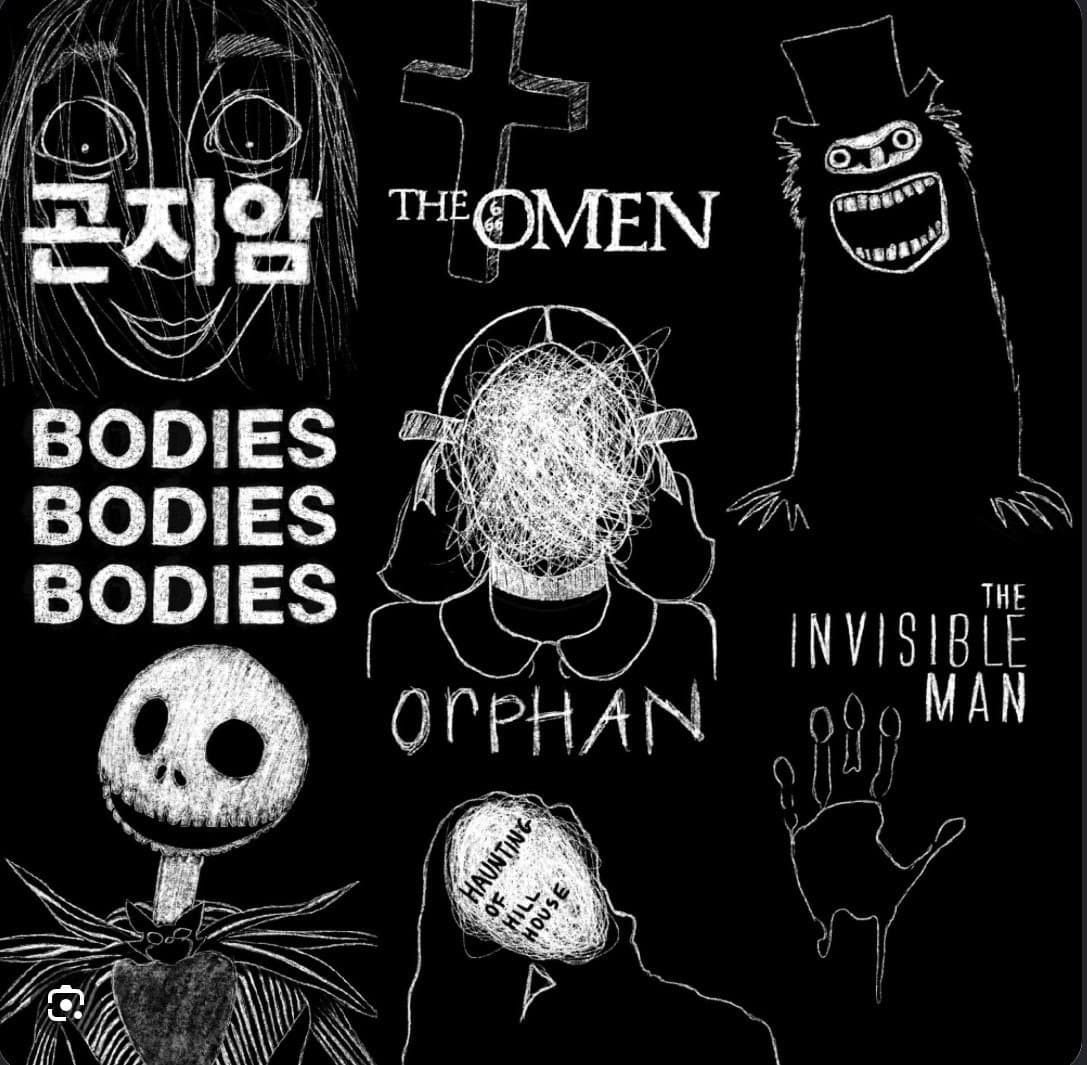
"Fear can feel exciting when we know we're safe."
The Excitement of Fear
Horror movies trigger the body's natural fear response. When we see something scary, our brain releases stress hormones like adrenaline. This makes our heart rate faster, our breathing quicker, and our senses more alert. These physical changes prepare us to react to danger. However, when we realize that we are actually safe, this high level of arousal can feel exciting rather than dangerous. We experience the thrill of fear without real risk, which can be an enjoyable and unique sensation.
A Need for Intensity
Some people enjoy exciting and thrilling experiences. In psychology, this is called sensation seeking. Horror movies offer strong emotions, suspense, and excitement in a safe environment. People who seek more stimulation may find scary movies especially enjoyable.
The Satisfaction of Surviving
Another reason people enjoy horror movies is the feeling of relief and satisfaction after the fear is over. During the movie, viewers face tension and uncertainty, but by the end, they realize that the danger was not real and they made it through. This sense of "surviving" can create positive emotions, such as relief, pride, and even happiness. Overcoming fear, even in a fictional situation, can make people feel stronger and more confident.
Fear Is More Fun Together
Watching horror movies with friends or family can make the experience more enjoyable. People can scream and laugh together, making fear a shared experience. This can strengthen relationships and turn scary moments into fun memories.
Filed under
Letters
Say something about this story. No account needed. Leave a name or stay anonymous, and you can delete anything you post from this browser.
Related Stories
The Psychology Behind First Impressions: Why Do We Judge People So Quickly?
A survival mechanism that still runs, and still gets people wrong.
Yebynn Son/Jun 2026
Why Goodbyes Feel So Strange: The Peak-End Rule
You will not remember every quiz. You will remember the peak and the ending, which is why June feels like this.
Seohyun Choi/May 2026

The Psychology of Social Conformity
Why do people pretend to like people they secretly dislike?
Seohyun Choi/May 2026

The Psychology of Procrastination
The limbic system versus the prefrontal cortex. Procrastination is not laziness. It is emotional regulation.
Yebynn Son/Mar 2026
Why You Keep Saying Yes: The Power of Small Requests
Foot-in-the-door and door-in-the-face. Your friends use both, and so do advertisements.
Seohyun Choi/Mar 2026
Fake Productive Study Modes
The laptop is open, the highlighter is uncapped, and an hour later nothing has been learned.
Seoyun Lee/Mar 2026
More from Psychology
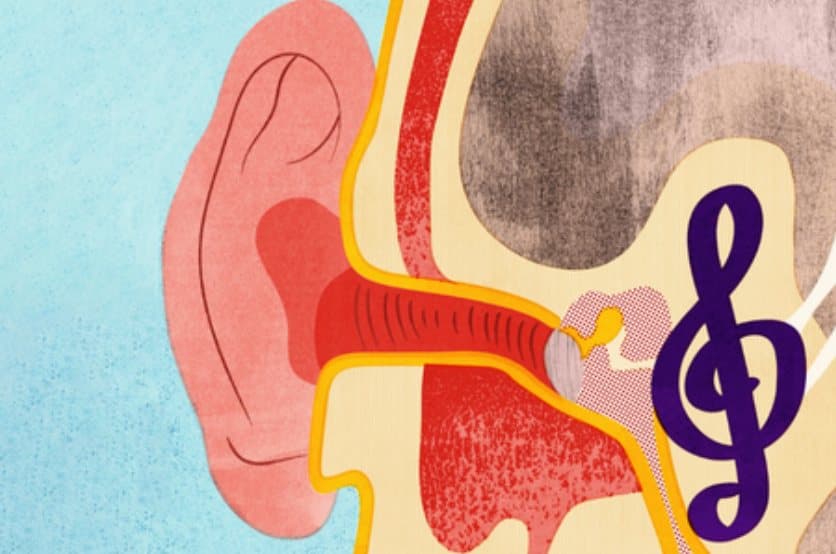
Why Do Songs Get Stuck in Our Head?
Earworms, and why the same five seconds of a song can play on a loop all day.
Hanna Seo/Sep 2026
The Psychology Behind First Impressions: Why Do We Judge People So Quickly?
A survival mechanism that still runs, and still gets people wrong.
Yebynn Son/Jun 2026
Why Goodbyes Feel So Strange: The Peak-End Rule
You will not remember every quiz. You will remember the peak and the ending, which is why June feels like this.
Seohyun Choi/May 2026
The Psychology of Social Conformity
Why do people pretend to like people they secretly dislike?
Seohyun Choi/May 2026
The Psychology of Procrastination
The limbic system versus the prefrontal cortex. Procrastination is not laziness. It is emotional regulation.
Yebynn Son/Mar 2026
Why You Keep Saying Yes: The Power of Small Requests
Foot-in-the-door and door-in-the-face. Your friends use both, and so do advertisements.
Seohyun Choi/Mar 2026