
Why You Keep Saying Yes: The Power of Small Requests
Foot-in-the-door and door-in-the-face. Your friends use both, and so do advertisements.
Seohyun Choi
Want to get people to say yes more easily? Here are two strong psychological techniques you should know.
Have you ever agreed to something and then later wondered why you said yes? Maybe a friend asked for a small favor, and somehow it turned into something much bigger. That is not always a coincidence. In psychology, this can be explained by two persuasion techniques called the foot-in-the-door and the door-in-the-face.
The foot-in-the-door technique starts with a small request. Once you agree, you are more likely to agree to a bigger one later. For example, someone might DM you, "Hey, can you help me with this one question?" After you reply, they keep the conversation going, and suddenly you are texting them all night. Since you already responded once, it feels harder to stop or ignore them later.
The door-in-the-face technique works in the opposite way. It starts with a large request that most people would refuse. For example, someone might ask, "Do you want to hang out all weekend?" When you say no, they follow up with, "Okay, then can we just grab a quick drink or snack?" Compared to the first request, the second one feels much more reasonable, so you are more likely to say yes.
These techniques are used in everyday life, even when we do not notice it. Friends, advertisements, and social media often rely on them. Learning about this made me more aware of my own decisions. Now when I feel pressured to say yes, I pause and think about whether I actually want to agree. Understanding psychology does not mean you should manipulate people. Instead, it helps you recognize when others might be influencing you. So next time someone asks for "just a small favor," take a moment to think before you say yes.
Filed under
Letters
Say something about this story. No account needed. Leave a name or stay anonymous, and you can delete anything you post from this browser.
Related Stories
The Psychology Behind First Impressions: Why Do We Judge People So Quickly?
A survival mechanism that still runs, and still gets people wrong.
Yebynn Son/Jun 2026
Why Goodbyes Feel So Strange: The Peak-End Rule
You will not remember every quiz. You will remember the peak and the ending, which is why June feels like this.
Seohyun Choi/May 2026

The Psychology of Social Conformity
Why do people pretend to like people they secretly dislike?
Seohyun Choi/May 2026

The Psychology of Procrastination
The limbic system versus the prefrontal cortex. Procrastination is not laziness. It is emotional regulation.
Yebynn Son/Mar 2026
Fake Productive Study Modes
The laptop is open, the highlighter is uncapped, and an hour later nothing has been learned.
Seoyun Lee/Mar 2026
Why It Feels Like Everyone Is Watching You: The Imaginary Audience
Most people are too busy worrying about themselves to focus on you. Knowing that helps.
Seohyun Choi/Feb 2026
More from Psychology
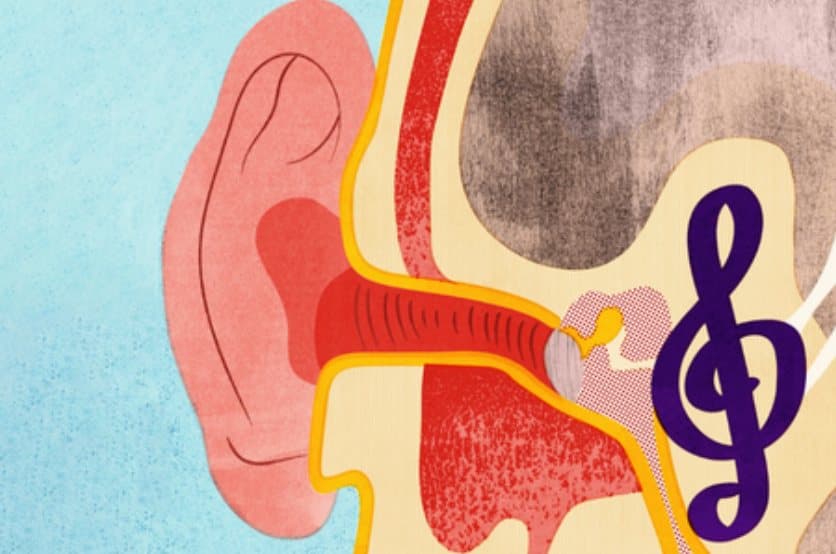
Why Do Songs Get Stuck in Our Head?
Earworms, and why the same five seconds of a song can play on a loop all day.
Hanna Seo/Sep 2026
The Psychology Behind First Impressions: Why Do We Judge People So Quickly?
A survival mechanism that still runs, and still gets people wrong.
Yebynn Son/Jun 2026
Why Goodbyes Feel So Strange: The Peak-End Rule
You will not remember every quiz. You will remember the peak and the ending, which is why June feels like this.
Seohyun Choi/May 2026
The Psychology of Social Conformity
Why do people pretend to like people they secretly dislike?
Seohyun Choi/May 2026
The Psychology of Procrastination
The limbic system versus the prefrontal cortex. Procrastination is not laziness. It is emotional regulation.
Yebynn Son/Mar 2026
Fake Productive Study Modes
The laptop is open, the highlighter is uncapped, and an hour later nothing has been learned.
Seoyun Lee/Mar 2026