
Natural to Koreans, Odd to Foreigners
Nobody sat next to them on the subway. It was not what they thought it was.
Juwon Kim
As South Korea becomes a famous vacation destination for foreigners who are deeply interested in Korean culture, they become shocked at the cultural differences they face. Due to these differences, there has been a lot of misunderstanding of racism, discomfort, or simply a shocking experience. There have been many incidents where foreigners post on social media that no Koreans wanted to sit near them on public transit just because they were "foreigners". This issue had been viral, and many foreigners expressed anger and discomfort. Yet, by many South Koreans, this misunderstanding was resolved. Many South Koreans say that because Korean culture really cares about social distancing and personal space, people simply do not sit directly next to each other to avoid any physical contact or possible misunderstandings. Like this, there are many cultural differences that only Korea has, which might be considered odd to foreigners.
The biggest shocking aspect of Korean culture was the signs on the bathroom doors saying, "Please do not throw toilet paper in the toilet." While it is natural for foreigners to throw toilet paper into the toilet after usage, Korean bathrooms have signs that request people to throw away the toilet paper into the trash can, instead of the toilet. This culture started a long time ago, when Korean toilets did not have a good flushing and draining system. Due to this problem, putting toilet paper into the toilet caused the toilet to clog or overflow, leading to constant unpleasant smells. As years passed, this issue has been resolved, but many people still believe that putting too much toilet paper would cause a clog or an overflow toilet, so the signs are still put up in the bathroom stalls.
Letters
Say something about this story. No account needed. Leave a name or stay anonymous, and you can delete anything you post from this browser.
Related Stories
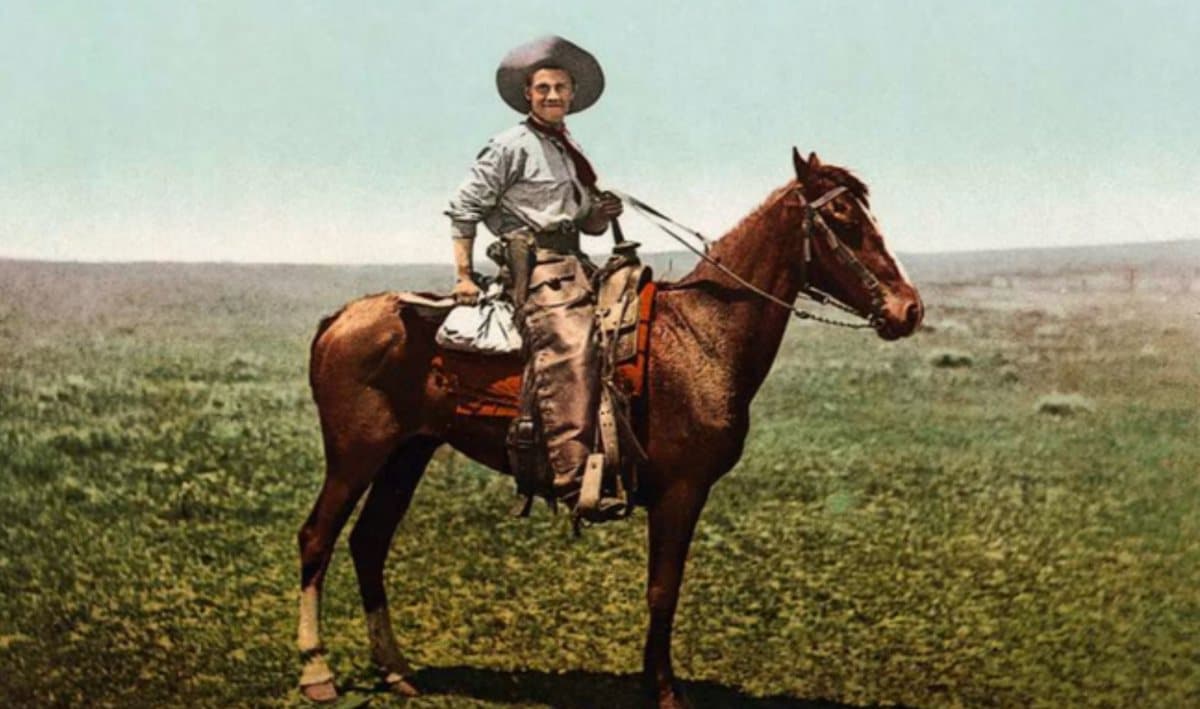
Cowboys
The most American thing there is did not start in America.
Juwon Kim/Sep 2026
Jeong (정) and Nunchi (눈치)
Two Korean words that survive no dictionary, and what they say about how a society holds itself together.
Juwon Kim/May 2026
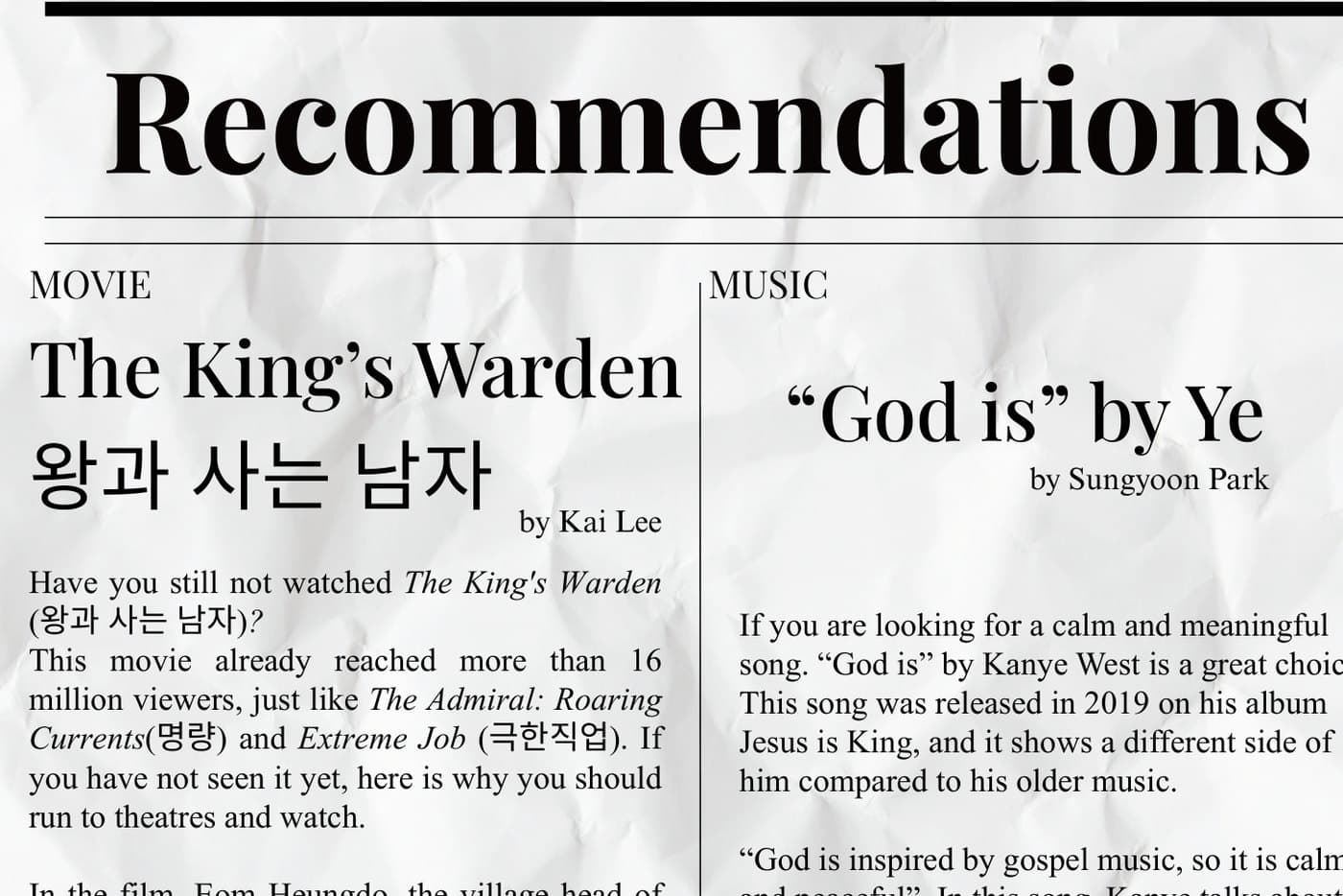
The King's Warden (왕과 사는 남자)
Sixteen million viewers, a village head with a scheme, and a boy king sent into exile.
Kai Lee/Mar 2026
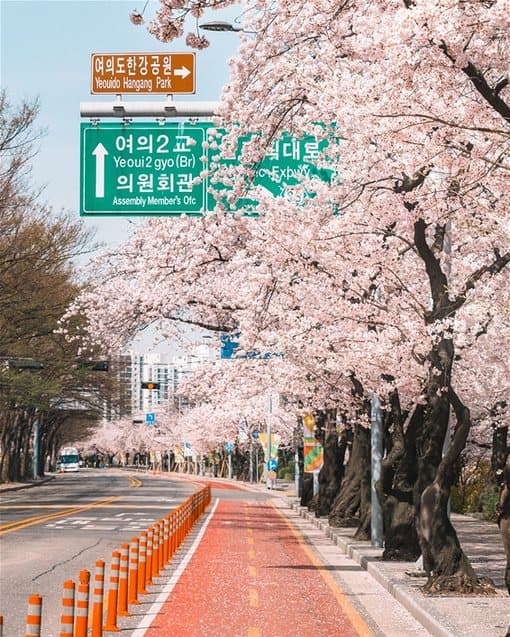
5 Slaytastic Cherry Blossom Viewing Spots
Yeouido, Seokchon, Bomun, Nami, Jinhae. Go in the early days of April or you will miss them.
Caiden Kim/Mar 2026

Crying in H-Mart, by Michelle Zauner
It started as a New Yorker essay. The editor-in-chief on why the book is brave, and what it means on a re-read.
Victoria Oh/Dec 2025

I'll Cross the World to Find You
세계를 건너 너에게 갈게, by Lee Kkot-nim. A letter written in 2016 arrives in 1982.
Hannah Cho/Nov 2025
More from Culture & Lifestyle

10 Awesome One Liners to Pull on Your Friends
Back from summer and out of practice? Ten well-placed lines to fix your social life. Satire, probably.
Caiden Kim/Sep 2026

Spider Man: Brand New Day
Everyone knows Spider Man; almost nobody remembers Peter Parker. Tom Holland is back for an emotional new chapter.
Sungyoon Park/Sep 2026
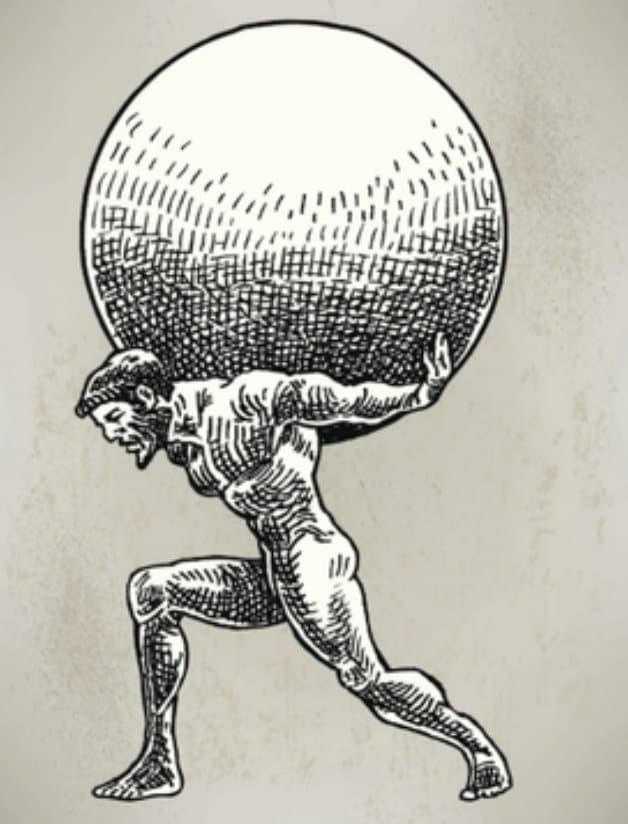
Greek Mythology Applied to Life: Atlas
A titan, a book of maps, a mountain range and an ocean. How one name ended up on all of them.
Juwon Kim/Sep 2026
Cowboys
The most American thing there is did not start in America.
Juwon Kim/Sep 2026
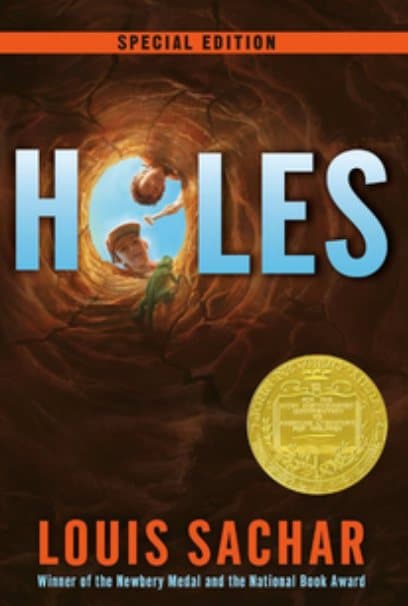
Holes
A camp with no lake, one hole a day, and a mystery under the dirt. 10/10, would dig again.
Seoyun Lee/Sep 2026

Hidden Gems of Seoul: Scenic Places
Past Lotte Tower and Namsan: a pavilion on Maebongsan and an overpass in Seongsu with the whole Han in view.
Anthony Kong/Sep 2026

Rhode Just Dropped Its Summer 2026 Collection
Pocket Bronze, Highlight Milk and three limited-edition tints. 9pm PST on June 9th, rhode's site only.
Yujin Lee/May 2026